
Trust & Safety
Meeting a Buyer or Seller in Ethiopia? Keep the Deal Safe
A practical guide to choosing a safe meeting place, inspecting the item, verifying bank and mobile-money payments, avoiding deposits and refund tricks, and reporting suspicious activity.
Aug 14, 2026 · 10 min read
Most marketplace deals are simple: meet, inspect, agree, pay, and go home. The risky ones usually introduce pressure, confusion, a last-minute location change, or payment proof that only exists on somebody else's screen.
The goal is not to make every stranger look suspicious. It is to structure the meeting so neither side has to rely on trust alone.

Image: Created for Addiyon.
1. Pick a Calm, Visible Place
A public place is useful only when you can actually inspect the item and notice what is happening around you. A packed roadside around Megenagna or another crowded trading area can create confusion and make it easy for someone to rush away. Choose a calmer cafe, bank branch, established shop, or service centre with staff, lighting, seating, and cameras.
- Meet during daylight or normal business hours.
- Choose the location yourself or agree on it before leaving home.
- For phones, laptops, or appliances, make sure there is power, internet, and enough time to test properly.
- Bring a trusted person for a high-value transaction and tell someone else where you are going.
- Keep the item, keys, documents, and phone within sight throughout the meeting.
- Do not follow a stranger to a second, isolated location because the item is suddenly “with a brother nearby.”
- Cancel if the location changes at the last minute to a car, private room, dark parking area, or unfamiliar residence.
2. Confirm Who You Are Meeting
- Save the listing, profile, phone number, price, and chat before the meeting.
- Ask the other person to confirm the exact item and agreed meeting place in the chat.
- For vehicles, property, or other registered assets, verify the legal owner and authority to sell or rent. A broker's confidence is not ownership.
- Keep personal information limited to what the transaction genuinely needs. Do not send an ID photo to “prove seriousness” to a stranger.
- If a courier or relative appears instead, pause and confirm the change through the original account and phone number.
The INSA guide to common online scams lists nonexistent online sales and impersonation among common tactics. A familiar profile photo or polished page is not enough by itself.
3. Inspect Before Money Moves
Agree on the condition first. Payment should be the final step, not the ticket that allows inspection.
- Compare the item with the listing photos, model, colour, serial number, and promised accessories.
- Test the main functions without being rushed. Use the detailed phone, laptop, or vehicle checklist when relevant.
- Ask directly about faults, repairs, replacements, missing pieces, and account locks.
- For electronics, call someone and test the microphone, earpiece, loudspeaker, camera, charging, network, and account reset.
- Write down expensive defects and agree on the final price before opening a payment app.
- Do not hand over both the item and its documents while the other person “checks something outside.”
Warning
Never send a reservation, transport, insurance, customs, or delivery deposit to unlock a deal you have not verified. A very cheap price plus urgent advance payment is a reason to stop, not hurry.
4. Verify Digital Payment in Your Own Account
Fake screenshots and convincing SMS messages are easy to produce. The receiving person should open their own official bank or wallet app, check the transaction history, confirm the sender name, amount, reference, and updated available balance, then keep a record.

Image: Created for Addiyon.
- Type the recipient details carefully and have them confirm the displayed name before sending.
- Never let a stranger take control of your phone or enter the amount for you.
- The seller should verify receipt in their own account. The buyer should verify the completed debit in theirs.
- Do not trust a screenshot, forwarded message, pending screen, or SMS displayed on somebody else's phone.
- Keep the transaction reference and a simple signed receipt identifying the item.
- For a large transfer, consider completing it inside a bank branch where staff can help if something looks wrong.
Ethio telecom's fraud-awareness page warns about fraudulent calls, SMS messages, fake applications, and requests for PINs or passwords. Its telebirr terms also make clear that PINs and one-time codes must remain confidential.
5. Watch for Overpayment and Refund Tricks
A stranger may claim to have sent too much, show a fake message, and ask for the difference back. Another version sends real money from a compromised or unrelated account and pressures the seller to forward it elsewhere.
- Do not refund money based only on a message or call.
- Check the actual transaction in the official app and contact the provider through its official support channel.
- Do not send a “refund” to a different number or account than the original source.
- If the provider says a transaction may be reversed or investigated, keep the item until the status is clear.
- Never share a PIN, OTP, password, screen-sharing code, or security answer to receive or reverse money.
Tip
Genuine support staff do not need your secret PIN or OTP. End the call and contact the provider using the number published in its own app or website.
6. Handle Cash Without Guessing
- Count cash in a bank branch or another controlled setting, especially for a high-value item.
- Check every note, not only the first and last notes in a bundle.
- Deposit or verify the cash before releasing a vehicle, property document, or other expensive item.
- Do not move to a parked car to count money privately.
- Record the cash amount on a signed receipt and give each side a copy.
7. If Something Feels Wrong, Pause
Pressure is information. Common warning signs include an unrelated payment account, a buyer who sends a courier immediately, a seller who refuses testing, a sudden story about customs or delivery, or a request to continue in a secret chat.
- Leave with your item and money if the agreed process changes.
- Do not confront or chase someone who may be dangerous.
- Preserve the listing URL, profile, chats, phone number, payment references, and screenshots.
- Report the listing through Addiyon so the Trust and Safety team can review it.
- Contact the bank or wallet provider immediately if money or account access is involved.
- Ethio telecom publishes 994, 127, and SMS 9090 for suspicious spam or fraud reports on its fraud-awareness page.
- If the provider does not resolve a financial complaint, the National Bank of Ethiopia complaint process says it can review qualifying complaints after the provider has had 10 business days to respond.
The Simple Rule
Meet somewhere calm and visible, bring support for expensive deals, inspect first, agree on the final price, verify payment inside both people's real accounts, write a receipt, and leave if the process suddenly changes. A good deal can survive careful checking.
Related articles
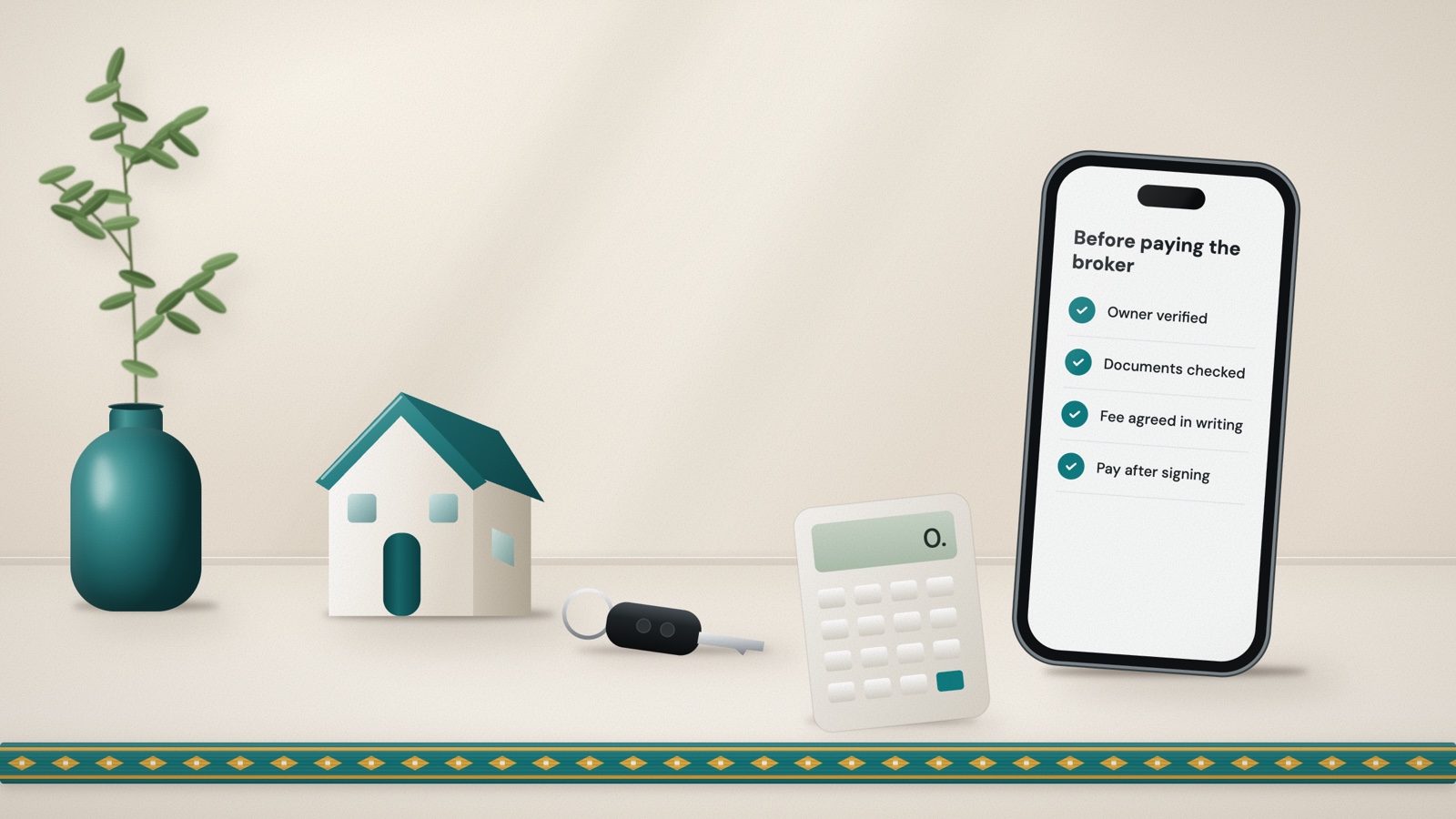
Trust & Safety
Dealing With Brokers in Addis Ababa Without Losing Control of the Deal
A practical guide to handling brokers when renting or buying a home or car in Addis Ababa, including distraction tactics, hidden commissions, verification, negotiation, and safe payment.
Sep 10, 2026 · 12 min read
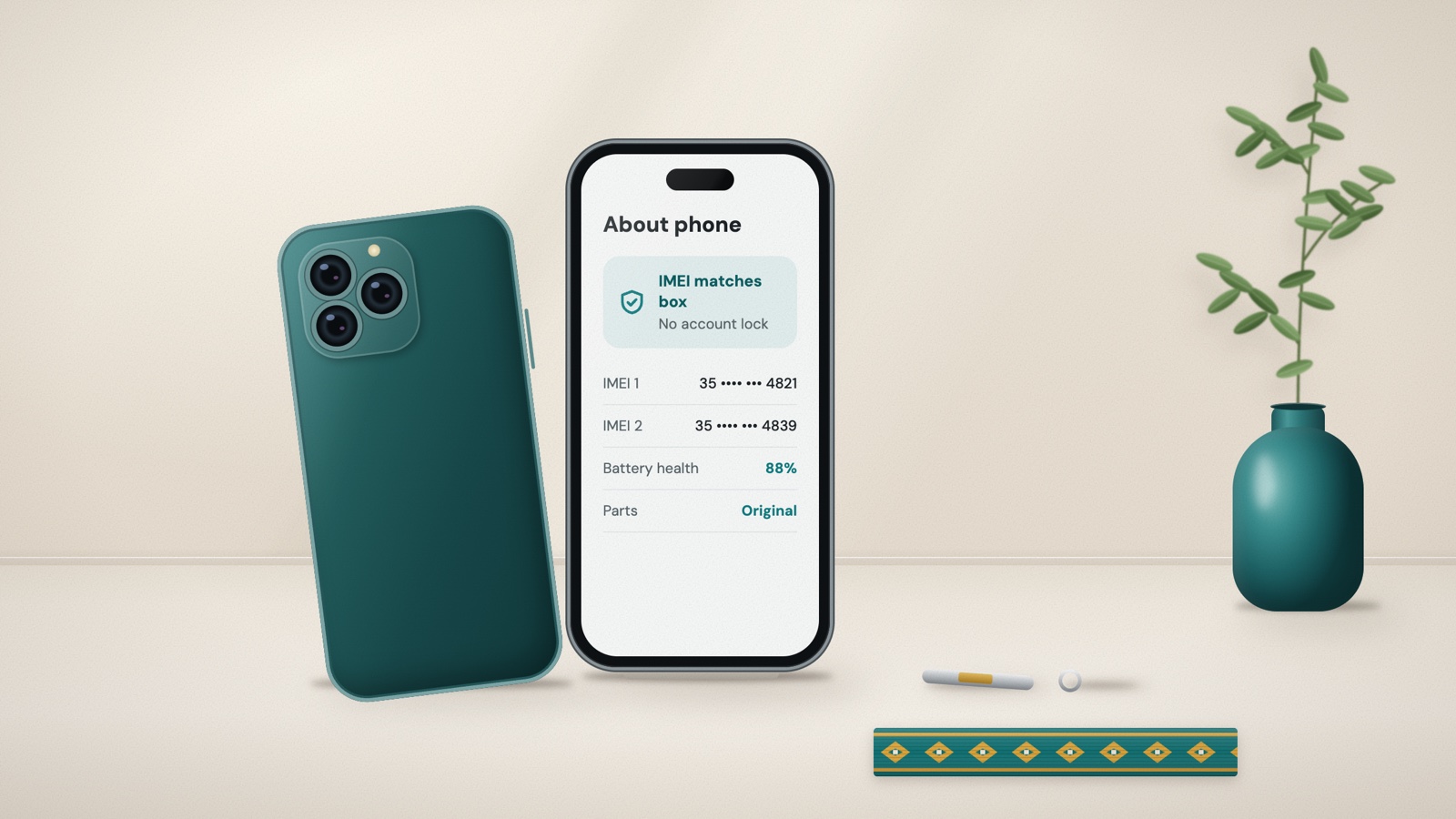
Technology & Phones
Buying a Used Phone in Ethiopia? Check These Things Before You Pay
A practical, Ethiopia-focused used-phone checklist: spot risky Telegram deals, verify IMEI and account locks, test replaced parts, battery, cameras, and local network service, then document the sale.
Aug 15, 2026 · 11 min read
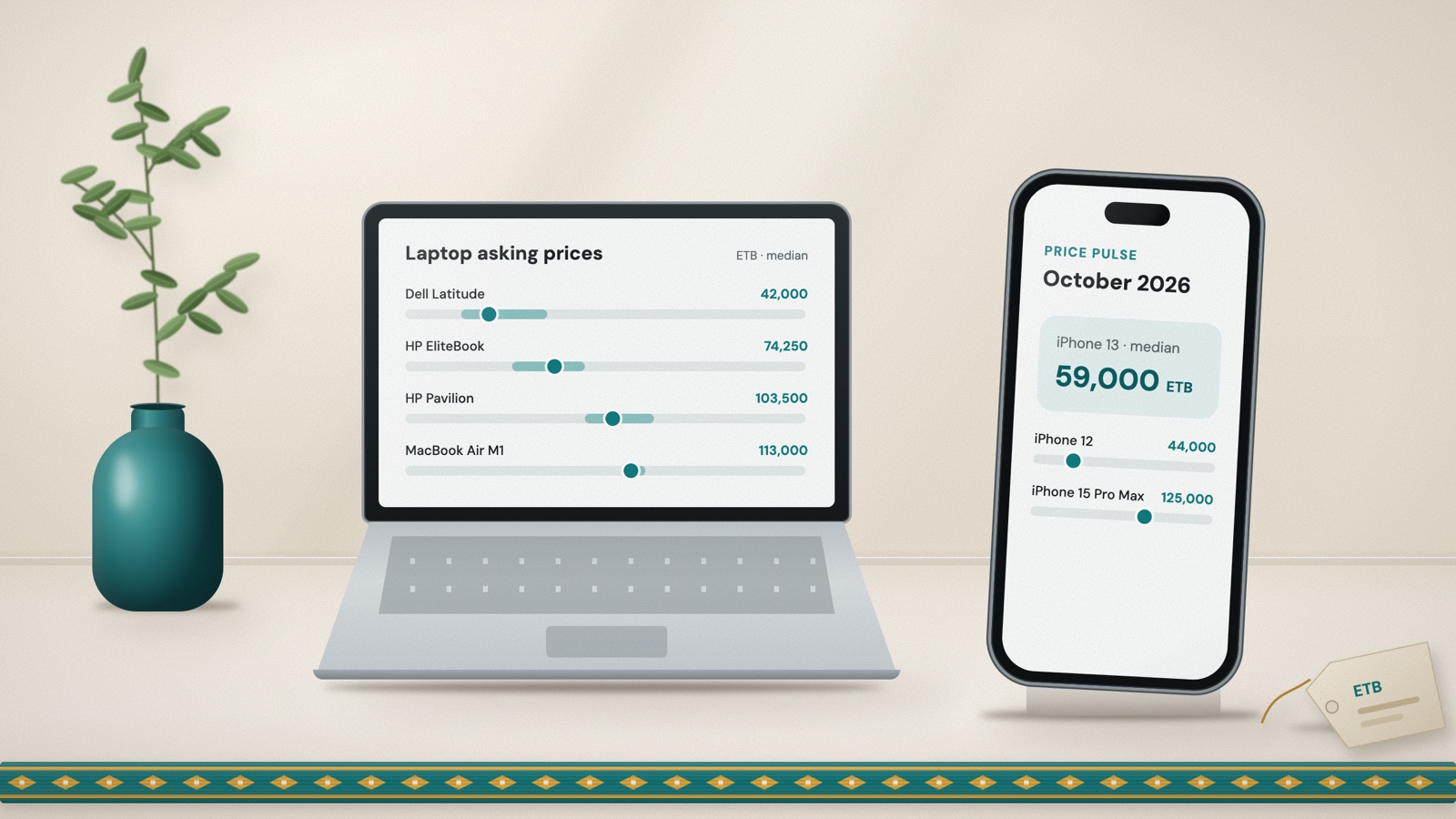
Technology & Buying Guides
Phone and Laptop Prices in Ethiopia: October 2026 Price Pulse
Median asking prices and typical ranges for popular iPhones, Samsung, Tecno and Xiaomi phones, and HP, Dell, Lenovo, Asus and MacBook laptops, from 1,700+ Addiyon listings published between 10 September and 9 October 2026.
Oct 10, 2026 · 10 min read