Buying a Used Car in Ethiopia? Check This Before You Pay
A practical Ethiopia-focused guide to checking the ownership book, chassis and engine numbers, finance status, accident repairs, mileage, mechanical condition, EV battery, payment, and title transfer.
Aug 17, 2026 · 14 min read
Buying a used car in Ethiopia can feel exciting right up until the first expensive repair or ownership problem. Fresh polish can hide accident work, dashboard errors can be cleared, mileage can be misleading, and a friendly broker may not be the person legally able to sell the car.
Give the inspection at least an hour. A serious seller should be comfortable meeting at a proper garage, letting an independent mechanic inspect the car, and going through the ownership transfer correctly. If every answer is “no problem” but every check is “not possible today,” slow down.
Public Ethiopian car channels are full of phrases such as “accident free,” “real year,” “excellent condition,” “original left-hand drive,” and “low mileage.” You will also see cash plus bank-payment offers and a broker commission added to the price. Browse examples on AUTOMART Car Market or Ethio Car Broker and one thing becomes obvious: a listing is a sales pitch, not an inspection report.
Save the listing, seller or broker username, phone number, asking price, claimed model year, mileage, plate number, and promised condition.
Ask whether the person you are speaking with is the registered owner, a dealer, or a broker. Ask who receives the commission and how much it is.
Compare several listings for the same model, year, trim, fuel type, and condition before agreeing on a price.
Meet in daylight at an independent garage with a lift and diagnostic scanner. Avoid inspecting an expensive car on a crowded roadside or in a dark parking area.
Bring a mechanic chosen by the buyer, not only the seller's regular mechanic.
Do not send a reservation or viewing deposit to a stranger just because another buyer is supposedly waiting.
A recent r/Ethiopia commenter described losing money after a company promoted a 50 percent deposit followed by bank financing. That is one person's unverified account, not proof about every dealer, but the lesson is solid: if a seller says a bank is financing the balance, confirm the offer directly with that bank before paying anything.
Warning
Photos of keys, a showroom, a delivery ceremony, or other happy buyers do not prove that the exact car exists or that the seller can transfer it. Inspect the actual vehicle and documents first.
2. Start With the Ownership Book, Not the Paint
The title certificate book, commonly called the libre, is the starting point. Ethiopia's Vehicle Identification, Inspection and Registration Proclamation says the official register includes the owner's details, chassis number, motor number, manufacturing dates, colour, and customs-duty status. It also says a buyer applying for a title book in their own name must provide the former title book and a document proving the transfer is legal.
Ask for the original, legible title certificate book. Compare the registered owner's full name with the seller's original identification.
If the registered owner is absent, do not rely on a phone call or chat message. Have the relevant authority verify the representative's authenticated power of attorney and its scope.
Ask the appropriate city or regional transport authority to confirm that the vehicle can be transferred and that the record has no unresolved restriction.
Check that the registered vehicle type, use, colour, plate details, chassis number, motor number, and duty status match the actual car.
Verify the annual technical inspection certificate and sticker. The proclamation provides for annual inspection and says the certificate is valid for one year.
Vehicles can also be used as collateral. The official Ethiopia Movable Collateral Registry specifically says people buying valuable second-hand property can search for competing security rights. Use its public search with the correct seller and collateral details, and ask any named lender for written confirmation that a settled loan has been released.
Tip
A clean collateral search is useful, but the registry warns that results depend on the information submitted to it. Use it together with transport-authority checks, not as a replacement.
3. Match the Car to the Paperwork
Now make sure the documents belong to the car in front of you. Do not accept a number typed into a message. Ask the mechanic to locate the physical manufacturer markings.
Compare the plate, chassis or VIN, motor or engine number, colour, model, and manufacturing details across the car, title book, inspection papers, and insurance record.
Check the dashboard VIN plate, door-jamb label, firewall or frame stamping, and engine or motor marking where the manufacturer places them.
Look for scratched characters, uneven font, fresh paint, grinding, welding, or a plate that appears to have been removed and refitted.
If the engine, body, colour, steering position, or other major detail was changed, require the updated official record before paying.
Decode the VIN through the manufacturer or the vehicle's original market when possible, but treat the result as supporting evidence only.
For an imported car, check recalls using the manufacturer and original market. The NHTSA recall tool can help with some US-market vehicles, but it explicitly does not cover every international vehicle.
Ethiopian inspection law itself requires authorized inspectors to check the authenticity of manufacturer markings on the body, chassis, and engine against the title book or official register. If a number looks altered or cannot be found, stop the deal and ask the transport authority to inspect it.
4. Treat the Mileage as a Claim
A low number on the dashboard is nice, but it is not proof. Imported cars may have records in another country, local service may have been done without digital history, and odometers can be replaced or altered.
Compare the odometer with service receipts, annual inspection records, oil-change labels, import documents, and any verified auction or dealer history.
Call workshops listed on old receipts and ask whether the dates, mileage, and work match their records.
Look at wear on the steering wheel, pedals, driver's seat, switches, door hinges, and key. Heavy wear with very low mileage deserves an explanation.
Check whether the instrument cluster was replaced and whether that change is documented.
Ask how the car was used. Taxi, ride-hailing, rental, company, and personal use can create very different wear even at similar mileage.
Treat “never driven in Ethiopia” or “one owner only” as unverified until the paperwork and history support it.
NHTSA's odometer guidance recommends comparing the displayed mileage with maintenance and inspection records, tire condition, and pedal wear. A paid history report can add clues for some imports, but gaps are common and a clean report does not prove the car is clean.
5. Pay for an Independent Mechanical Inspection
The independent inspection is where a cheap-looking car can save or lose a lot of money. The US Federal Trade Commission makes a useful point that applies anywhere: a history report is not a substitute for a mechanic, and the mechanic should provide a written report with estimated repair costs.
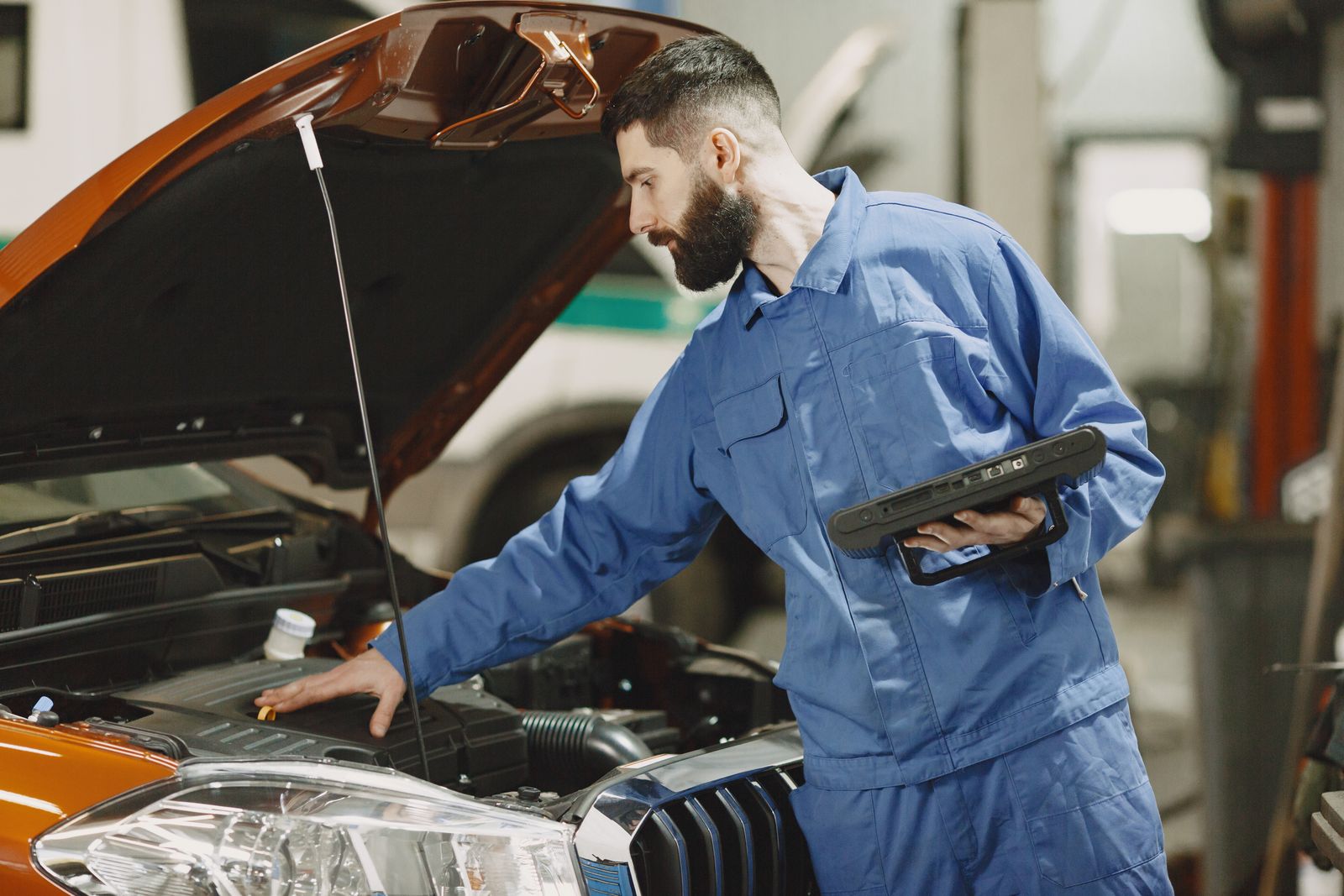
Ask the seller not to warm the car before the appointment. A cold start can reveal noises, smoke, weak starting, and warning lights that are harder to notice once the engine is hot.
Before starting, switch the ignition on and confirm the major warning lamps illuminate. After starting, check that they go out normally.
Scan for stored, pending, and permanent diagnostic codes. Also inspect readiness monitors. EPA guidance notes that monitors can show “not ready” after a recent battery disconnect or code clear, so a blank code screen is not the whole story.
Check engine oil, coolant, brake fluid, transmission fluid where serviceable, belts, hoses, battery, and visible wiring.
Look above and below for oil, coolant, fuel, transmission, steering, and brake-fluid leaks.
Let the engine reach operating temperature. Watch the temperature gauge, cooling fan, idle, exhaust, and air conditioner.
Check engine compression or perform a leak-down test when the mechanic sees signs of internal wear. It is not necessary for every healthy car, but it can settle an expensive doubt.
On an automatic, test engagement, shifting, slipping, and delay when cold and warm. On a manual, check clutch bite, slip, gearbox noise, and every gear.
Put the vehicle on a lift. Inspect the frame, suspension, steering, brakes, exhaust, mounts, boots, wheel bearings, and underbody.
A current annual inspection sticker does not mean the car has no expensive mechanical problems. It is not the same as a buyer-focused pre-purchase inspection.
6. Check Accident, Flood, Tire, and Airbag Clues
Inspect the body in daylight when the car is clean and dry. Cosmetic repainting is not automatically a reason to walk away. Hidden structural repair, missing airbags, or a badly repaired chassis is different.
Compare paint colour and texture across panels. Look for overspray on rubber, bolts with tool marks, uneven gaps, and doors or a bonnet that do not close cleanly.
Inspect chassis rails, pillars, boot floor, spare-wheel well, suspension mounting points, and engine-bay seams for ripples, cuts, or non-factory welding.
Check seat belts, airbag covers, the airbag warning lamp, and diagnostic codes. A neat dashboard does not prove the airbags are present.
Look under carpets and seats for water lines, mud, corrosion, mould, dampness, or a strong perfume hiding an odour.
Check all four tires for cracks, sidewall damage, repairs, mismatched sizes, and uneven wear. Uneven wear can point to alignment, suspension, or structural trouble.
Read the full tire date code. Bridgestone explains that the last four digits on post-2000 tires identify the manufacturing week and year.
Check the spare tire or repair kit, jack, wheel key, and both original keys if promised.
Ask the mechanic to separate cosmetic issues, repairs needed soon, safety problems, and walk-away structural problems. That list is far more useful for negotiation than a simple “good car” verdict.
7. Drive It Properly
Do not let the test drive become a two-minute circle with the radio playing. With the seller's permission, proper insurance, and a valid licence, drive long enough for the car to warm up. Use normal city streets, a rough section or speed bump, and a safer open stretch where appropriate.
Start with the radio off and windows partly open. Listen for knocks, bearing noise, suspension clunks, wind noise, and rattles.
Check that the steering stays centered, returns normally, and does not pull or vibrate.
Brake gently and firmly in a safe place. The pedal should feel consistent and the car should stop straight without grinding or steering-wheel shake.
Accelerate through the gears, then slow down again. Watch for hesitation, smoke, slipping, harsh shifts, or warning messages.
Test the parking brake on a safe incline, reversing, mirrors, cameras, parking sensors, lights, horn, wipers, washers, locks, every window, and every seat belt.
Run the air conditioner at idle and while driving. Check fan speeds, temperature, smell, and whether the engine overheats with AC on.
After the drive, leave the engine running for a few minutes, then check underneath for fresh leaks and smell for coolant, fuel, hot oil, or electrical burning.
8. Buying an EV? The Battery Is the Main Event
An electric car has fewer routine engine items, but that does not make a quick visual inspection enough. The traction battery, charging system, software, cooling system, inverter, and local parts support can turn into the largest costs.
Get a battery state-of-health report from a manufacturer-authorized center or a qualified EV specialist with the correct diagnostic equipment.
Ask for battery fault history, cell-balance information, usable capacity where available, and any high-voltage repairs. Do not accept dashboard range as a battery-health report.
Start at a recorded charge percentage, drive a meaningful route with AC, and compare distance, energy use, and remaining charge. Weather, speed, hills, and AC affect the result, so treat this as a reality check rather than a laboratory test.
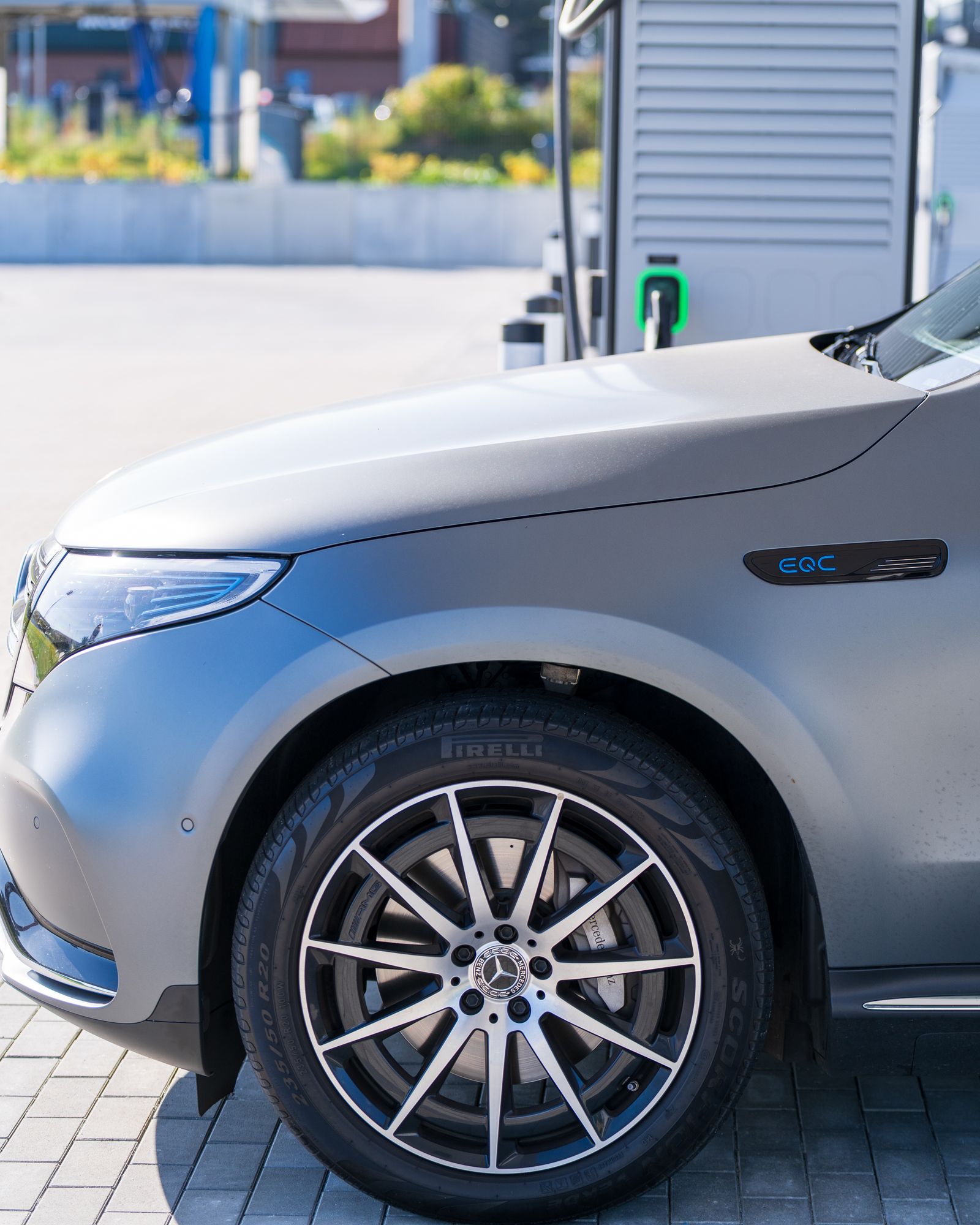
Test AC charging with the supplied cable. If DC fast charging is important and practical, test that too. Inspect the port, pins, locking mechanism, cable, and adapters.
Inspect the battery enclosure and underbody for impact, scraping, corrosion, leaks, or non-factory repair. High-voltage inspection belongs to a trained technician.
Verify software region, app access, both keys, charging standards, warranty start date, warranty transfer rules, and documented service history.
Confirm parts and qualified service support for the exact make and model where the car will be used. BYD's Ethiopia service page advertises local maintenance and parts, but support differs widely between brands and import channels.
If the car will travel outside Addis Ababa, plan real charging routes and backup options. Associated Press reporting from Ethiopia documented owner concerns about charging and repair access away from the capital.
Once the car passes inspection, agree on the price using the mechanic's written repair list. Then make the payment and official transfer one coordinated process. Keys and a handwritten note are not a completed ownership transfer.
Confirm the final vehicle price, broker fee, taxes, authority fees, inspection costs, and every other charge in writing before money moves.
Put the seller's legal name, buyer's legal name, plate, chassis number, motor number, mileage, price, known defects, accessories, keys, payment method, and transfer obligations in the sale agreement.
If a dealer or broker promises bank finance, contact the bank using its official channel and verify the approval, amount, recipient, and conditions independently.
Pay the registered owner or properly authorized legal seller, not an unrelated account. Both sides should confirm a transfer inside their own bank or wallet app, not from an SMS screenshot.
Complete the authenticated sale documents and title transfer through the appropriate authority. Requirements and fees can differ by city or region, so confirm the current checklist before the appointment.
Do not leave the title transfer for “next week.” Ethiopian legal sources treat issuance of the new title certificate as central to completing ownership transfer.
Leave with the new or officially processing title record, signed agreement, payment receipt, keys, inspection report, insurance documents, and copies of every submitted paper.
Arrange insurance in the buyer's name and confirm when the seller's policy ends or changes.
Warning
Walk away if the owner will not appear or provide authority-verifiable representation, the numbers do not match, the seller refuses an independent inspection, the requested payment goes to an unrelated person, or full payment must happen before the transfer can be verified.
The Short Version
If time is tight, do not skip the expensive checks. Confirm the seller's authority and original title book, match the chassis and motor numbers, search the collateral registry, verify inspection and insurance, get an independent garage report, scan the car, drive it until warm, test charging and battery health on an EV, write the full agreement, and pay alongside the official transfer.
The public Telegram and Reddit links in this article are examples of market language and buyer concerns, not verified findings that any particular seller is fraudulent. Laws, office procedures, fees, and forms can change, so confirm the current transfer process with the appropriate Ethiopian transport authority before paying.